Essential Mac Maintenance Tips for Performance
A fast and reliable Mac feels like a superpower when you are editing videos, coding, or simply browsing. If your Mac has started to lag, heat up quickly, or seem a little less responsive, you are not alone. The good news is that regular maintenance can restore speed, improve stability, and extend the lifespan of your Mac. In this guide, you’ll find practical, expert tips designed for everyday users and power users alike. Think of it as a friendly, pro level routine you can perform without needing special tools or expensive software.
Why Regular Mac Maintenance Improves Performance
Maintaining a Mac is not just about wiping away junk. It is about keeping the software, hardware interactions, and data flows clean and efficient. Regular upkeep helps with:
- Faster startup and application launches
- Smoother multitasking and fewer crashes
- Better battery life on portable Macs
- Stronger data protection through backups and updates
- Reduced thermal throttling and cooler operation
At MacFriendly.org we believe small, consistent steps deliver big results. Below you will find a practical plan you can implement over a weekend or across a few short sessions.
Quick Wins That Make a Difference Today
If you want noticeable improvements quickly, start with these practical steps. They are low effort but high reward.
1. Free up storage space
- Identify large files and old documents you no longer need
- Move photos to iCloud or an external drive
- Empty the Downloads folder and clear Trash
- Use built in storage management to optimize storage
2. Close unnecessary startup programs
- Go to System Settings or System Preferences > Users & Groups > Login Items
- Remove apps you do not need to launch at login
- Consider keeping essential tools like auto backup or cloud services enabled
3. Update macOS and apps regularly
- Check for macOS updates in System Settings > General > Software Update
- Update apps from the App Store or developer websites
- Enable automatic updates where possible to minimize security risks
4. Clear browser cache and history
- Clear cache and cookies in your default browser
- Close unused tabs and consider suspending or pausing extensions you do not need
- Use a private browsing window for sensitive tasks
5. Manage desktop clutter
- Move files into organized folders
- Avoid storing large files on the desktop as it can slow performance
- Use Spotlight wisely to locate items quickly without keeping many files open
6. Restart regularly
- A simple restart clears memory and stops stuck processes
- If you notice creeping memory use, a restart can restore normal performance
7. Use Activity Monitor to identify resource hogs
- Check CPU, Memory, Energy, Disk, and Network tabs
- Quit processes that are using more resources than they should
- Look for apps that run in the background and suspend or uninstall if unnecessary
Deep Dive: Storage and Disk Health
Storage management is one of the most impactful places to focus. A Mac with a nearly full drive can feel sluggish even if you have plenty of RAM.
1. Check available space and optimize
- Aim for at least 15–20 percent free space on your startup drive
- Use the built in Storage Management tool to identify large files, supported by recommendations
- Consider moving media libraries to an external SSD for faster access
2. Run Disk Utility First Aid
- Open Disk Utility and run First Aid on your startup disk
- If First Aid reports issues you cannot repair, back up your data and consult a pro or consider reinstalling macOS
3. Manage APFS snapshots and backups
- Time Machine backups run in the background and can consume space
- Review local snapshots if you are running macOS with Time Machine
- Regularly connect your backup drive and run a full backup plan
4. Trim duplicates and optimize photos and music libraries
- Use built in features or trusted apps to remove duplicates
- Consolidate libraries to avoid multiple copies of the same file
Keeping macOS and Apps Up to Date
Updates matter for performance and security. They include bug fixes, new features, and performance improvements.
1. Enable automatic updates
- Turn on automatic macOS updates and app updates when possible
- Review what is being installed and ensure compatibility with key software you rely on
2. Update critical software first
- Prioritize updates for security software, productivity apps, and development tools
- After updates, restart your Mac if prompted to ensure changes take effect
3. Clean up after major updates
- Verify that your essential apps still function as expected
- Rebuild any custom shortcuts or automations if a software update resets them
Managing Startup Programs and Background Activity
Startup programs can significantly affect boot time and overall responsiveness. Streamlining what runs at startup has a big payoff.
1. Audit login items
- Remove non essential apps that launch at login
- Keep only tools you use every day or critical background services
2. Tackle background processes
- Use Activity Monitor to spot resource hogs
- Force quit apps that continually run in the background without benefit
3. Optimize energy usage on laptops
- Check Energy Impact in Activity Monitor
- Disable apps that drain battery when not in use
- Consider using Battery Health Management if available on your Mac
Backups and Data Security
Backups are the safety net that protects your data from hardware failure, accidental deletion, or malware. A solid backup plan is an essential part of Mac maintenance.
1. Time Machine and local backups
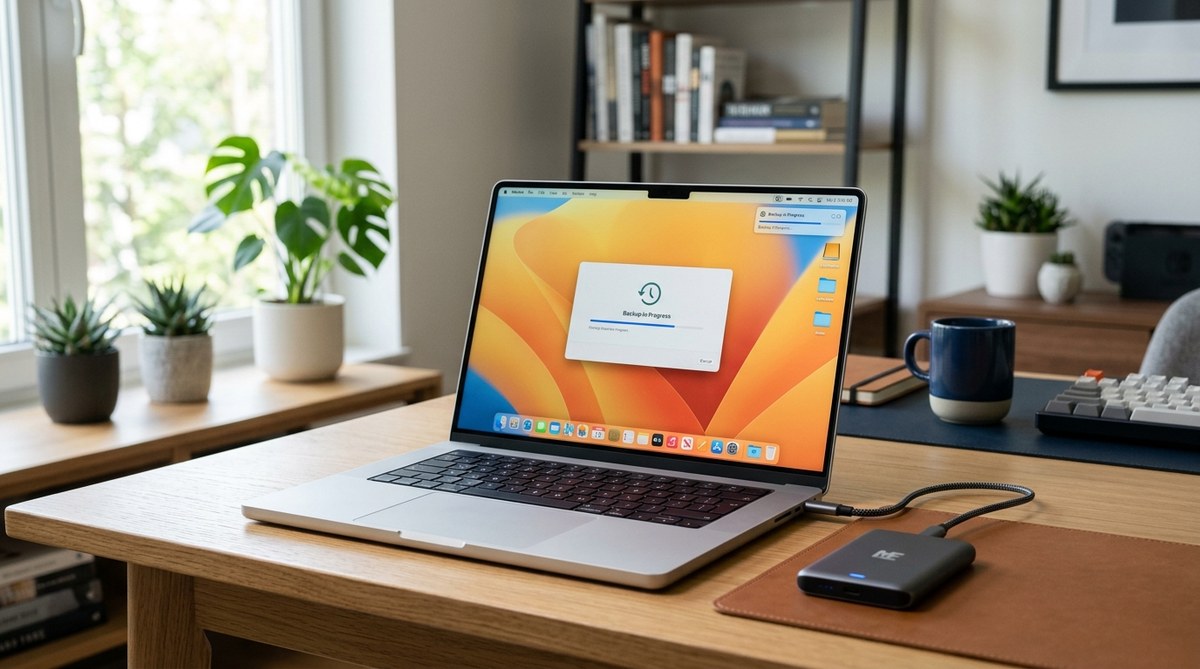
- Use Time Machine with a reliable external drive
- Schedule regular backups (daily or at least a few times per week)
- Keep at least a month of local backups if possible
2. Cloud backups and versioning
- Use iCloud Drive or other reputable cloud storage for critical documents
- Enable version history or file versioning where available
- Ensure sensitive data is protected with strong passwords and two factor authentication
3. Secure deletion and file recovery
- When deleting sensitive data, use secure empty trash if your macOS supports it
- Be mindful of what is stored locally versus in the cloud
Performance Monitoring and Diagnostics
Regular monitoring helps you catch issues before they become major slowdowns.
1. Use Activity Monitor
- Monitor CPU load, memory pressure, and disk activity
- Identify apps that cause spikes when performing heavy tasks
2. Check the Health of Your Storage
- Use Disk Utility First Aid periodically
- Watch for unusual disk activity patterns that could indicate issues
3. Review system reports and crash logs
- Check Console for recurring error messages
- Look for patterns that point to a specific app or system component
Routine Maintenance Schedule
A predictable routine helps you stay ahead of problems and keeps your Mac operating at peak performance.
- Daily tasks: Quick storage check, close unused apps, review running processes
- Weekly tasks: Clean up downloads, organize files, check for updates, verify Time Machine status
- Monthly tasks: Run Disk Utility First Aid, review battery health if on a laptop, prune old backups
- Quarterly tasks: Re-evaluate startup items, audit large files, test restore from backup
Common Mac Performance Problems and How to Fix Them
Below are common pain points and practical fixes you can try.
1. System feels slow after a macOS update
- Restart and allow the system to settle
- Reindex Spotlight to improve search performance
- Check for app compatibility issues and update critical apps
2. Apps crash or freeze
- Update the apps or reinstall if needed
- Check for conflicting extensions or plugins
- Reset app preferences if corruption is suspected
3. High memory usage and RAM pressure
- Quit memory heavy apps or simplify workflows
- Consider increasing RAM on older Macs if possible (note hardware limitations)
- Use memory clean up tools with caution
4. Battery drains quickly on MacBooks
- Enable Battery Health Management or similar settings
- Reduce background activity and screen brightness
- Calibrate the battery if recommended by Apple for older devices
Maintenance for Developers and Power Users
Developers and power users can benefit from a more technical routine that keeps their environments fast and reliable.
1. Keep your development toolchain clean
- Regularly prune dependencies and caches
- Use version managers to pin project toolchains
- Create separate workspaces to minimize cross project contamination
2. Time APIs and local development
- If you develop for time sensitive apps, use accurate local time services and time zones
- Keep your environment aligned with your production region to avoid time drift during testing
3. Automate routine maintenance
- Create simple shell scripts to clear caches, renew certificates, or run backups
- Use cron or launchd to schedule recurring tasks
4. Protect your development data
- Use encrypted backups and secure transit for code repositories
- Keep a clean, verified backup of your development environment
FAQ: Quick Answers to Common Questions
- How often should I back up? Ideally daily for critical data and at least weekly for broader collections.
- What is the best way to reclaim storage? Start with large files, then apps you do not use, and finally caches and logs.
- Should I reset my Mac to fix problems? A reset is a last resort; try targeted maintenance first.
Final Thoughts: Making Mac Maintenance a Habit
Mac maintenance is not a one off chore but a habit. By integrating the quick wins, deeper disk health checks, regular updates, and a solid backup plan, you can keep your Mac performing at its best for years to come. The key is consistency and a practical approach that fits your workflow.
At MacFriendly.org we are dedicated to helping you master your Mac with expert guides, pro tips, and up to date Apple news. If you want to dive deeper, consider bookmarking this guide and building a personal maintenance routine that you can follow every week. And if you run into a stubborn issue, feel free to reach out in the comments or explore our broader library of Mac tips and tricks to find more ways to optimize your setup.
Appendix: Quick Reference Checklist
- Daily
- Review running apps and close unused ones
- Check for updates for critical apps
- Weekly
- Free up storage and prune old files
- Review Time Machine status and test a restore
- Clean browser caches
- Monthly
- Run Disk Utility First Aid on startup drive
- Audit startup items and improve boot times
- Inspect battery health and calibrate if recommended
- Quarterly
- Reindex Spotlight if searches are slow
- Review and refresh development toolchains if you are a developer
- Create a fresh backup cycle and verify integrity
By following these steps and keeping an eye on performance indicators in Activity Monitor, you can enjoy a zippy, reliable Mac experience that supports your work, creativity, and everyday tasks. Thank you for choosing MacFriendly.org as your trusted source for Mac maintenance tips and expert guidance.